Food Storage
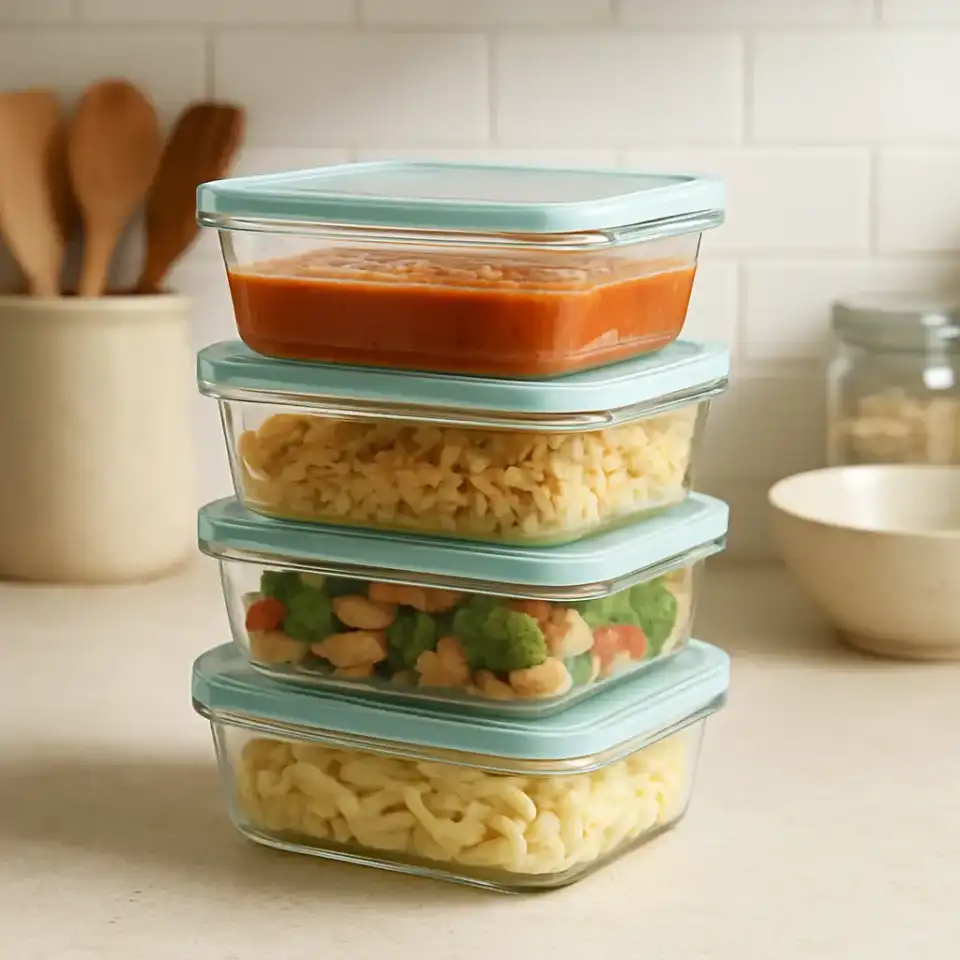
Glass Food Storage Set
A multi-piece glass food storage set with lids, sized for everyday leftovers.
Chosen for stain/odor resistance based on disclosed material criteria.
Explore options on AmazonContainers & organization
Good food storage keeps leftovers fresher longer and keeps a pantry or fridge from turning into a mismatched-container graveyard. This hub covers container materials, sizing, and organization, including a dedicated glass-vs-plastic comparison for the question we hear most.
Our featured picks refresh periodically. While we update them, our editorial guides can help you find the right one.
See our guidesFood storage picks chosen for a genuine seal, stackability, and material transparency.
Food Storage
A multi-piece glass food storage set with lids, sized for everyday leftovers.
Chosen for stain/odor resistance based on disclosed material criteria.
Explore options on Amazon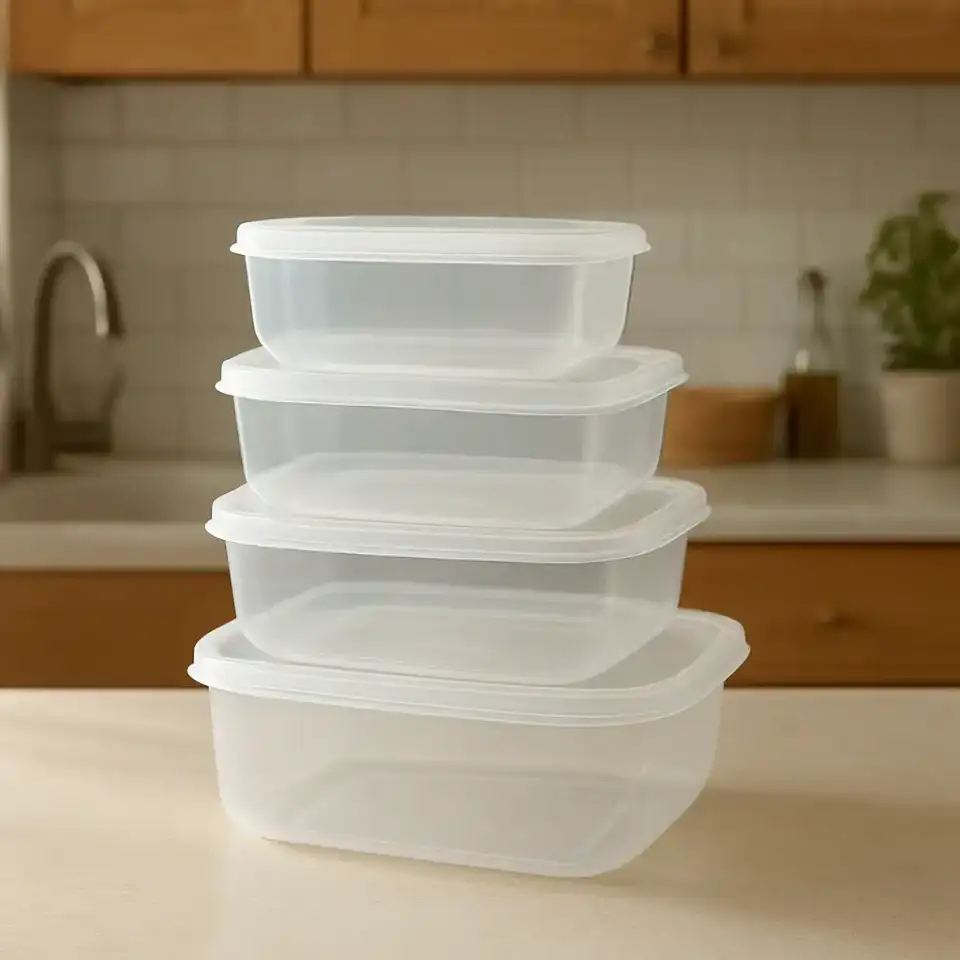
Food Storage
A lightweight, stackable plastic food storage set for everyday leftovers and pantry items.
Chosen for stackability and a genuine seal, based on disclosed material criteria.
Explore options on Amazon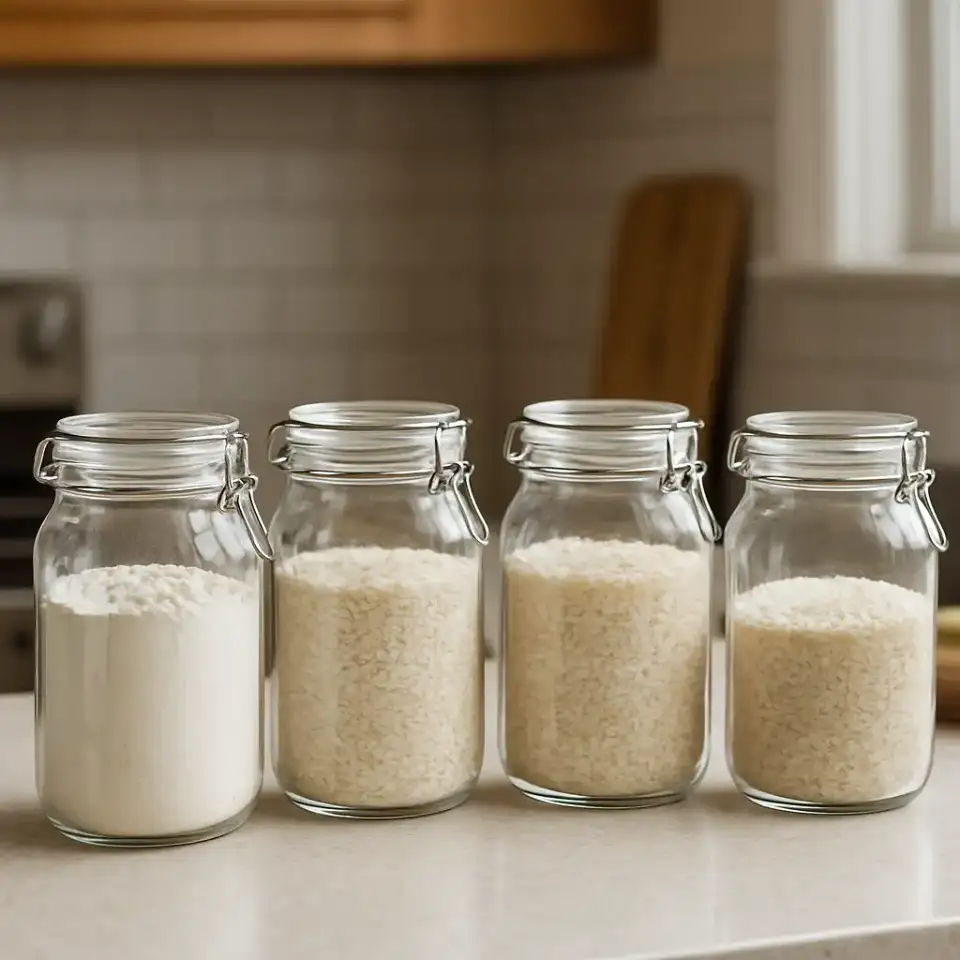
Food Storage
A set of airtight canisters for dry pantry goods like flour, rice, and cereal.
Chosen for an airtight seal and stackable pantry organization.
Explore options on Amazon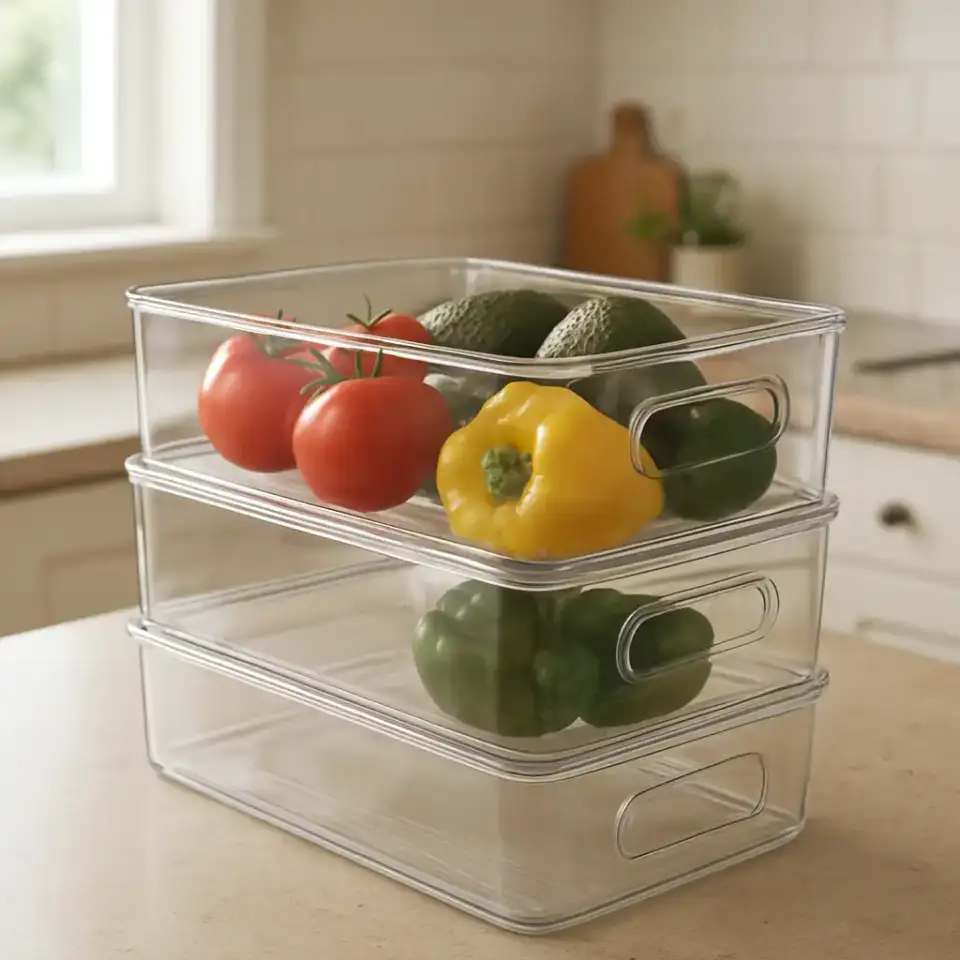
Food Storage
Clear stackable bins for grouping fridge items and improving visibility.
Chosen for stackability and genuine fridge-space savings.
Explore options on AmazonWho this fits: Households replacing a mismatched container collection, anyone deciding between glass and plastic storage, and families trying to reduce food waste through better organization.
Glass resists staining and odor absorption and is often microwave- and oven-safe depending on the specific product; plastic is lighter and more break-resistant. See our dedicated comparison for the full picture.
A snap-lid or gasket-sealed lid keeps liquids from leaking far better than a loose-fitting lid.
A matched set of a few sizes is easier to organize and stack than a large mismatched collection.
Check whether a container is rated for freezer use and dishwasher cleaning before relying on it for batch storage.
Our featured picks refresh periodically. While we update them, our editorial guides can help you find the right one.
See our guides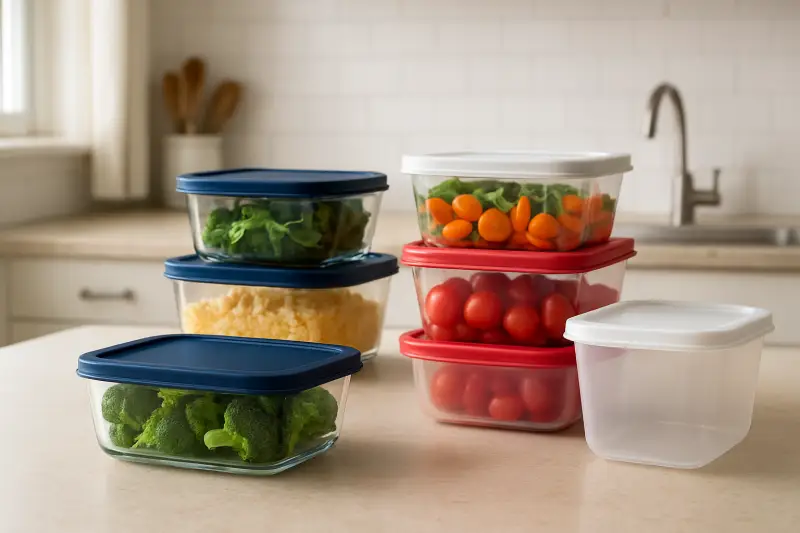
Glass vs plastic food storage containers compared: weight, durability, staining, cost, and which fits your household's storage habits.
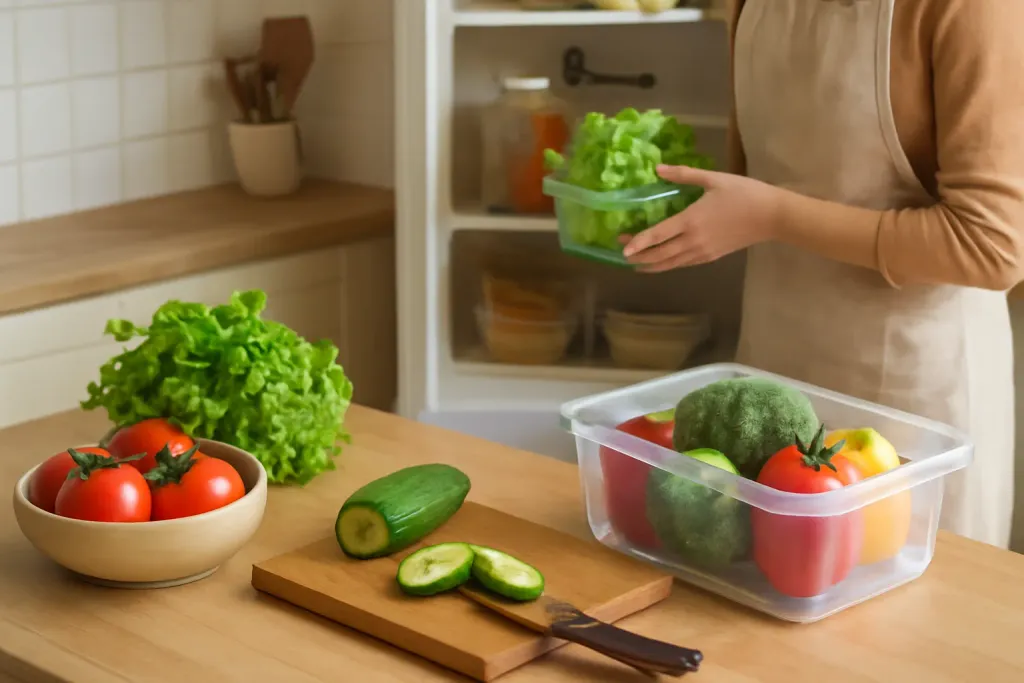
Learn simple fridge habits, storage tips, and container choices to keep produce fresh longer fridge by reducing moisture, bruising, and spoilage.
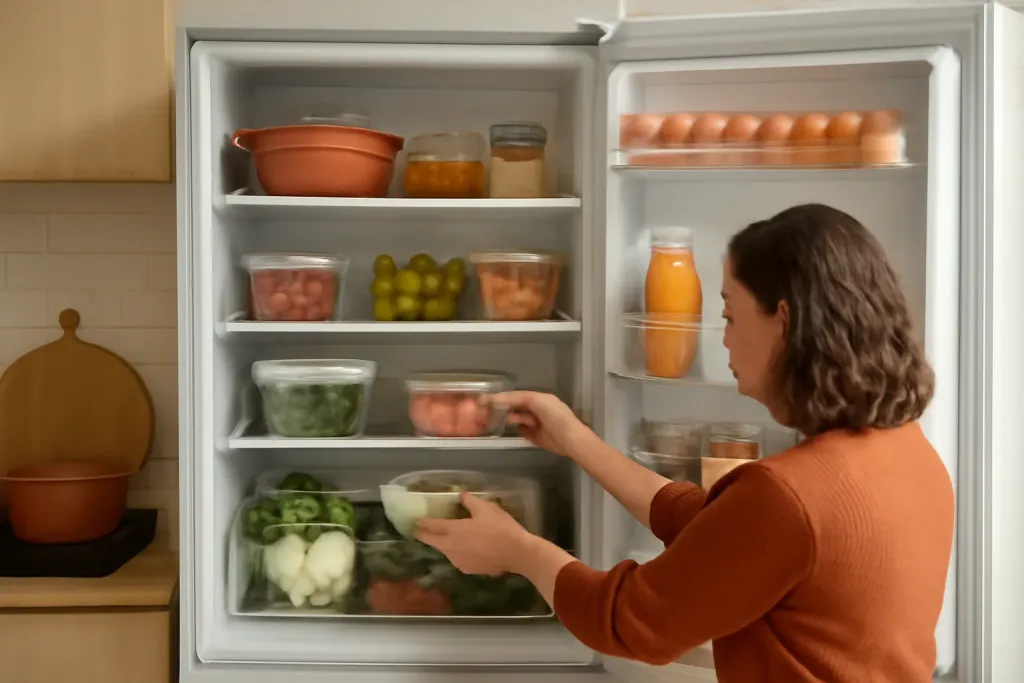
Learn how to organize a fridge for a family of four with simple zones, storage tips, and smart container choices for everyday meal planning.
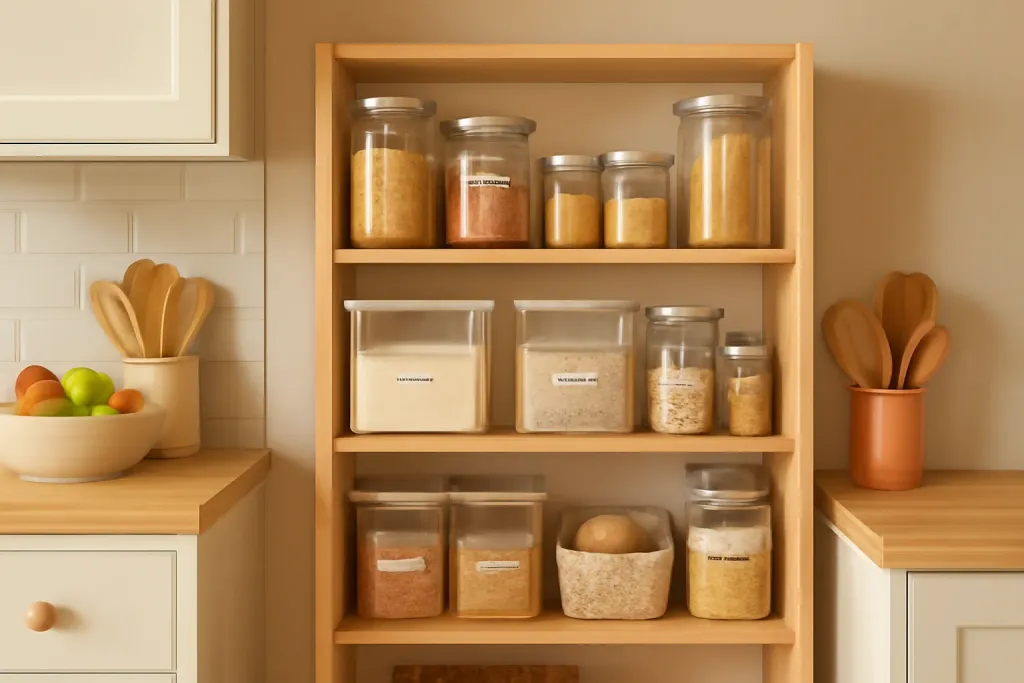
Learn how to organize a small kitchen pantry with simple zones, containers, labels, and space-saving tips for busy family kitchens.
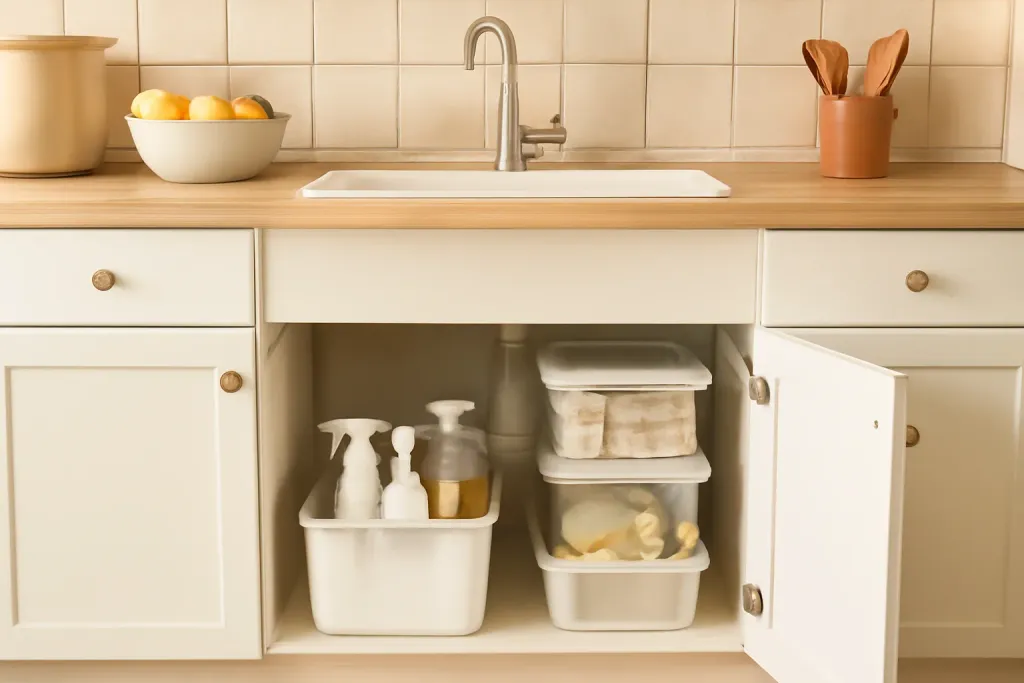
Learn how to organize under sink kitchen storage with simple zones, fit-friendly containers, and easy habits that keep it tidy.
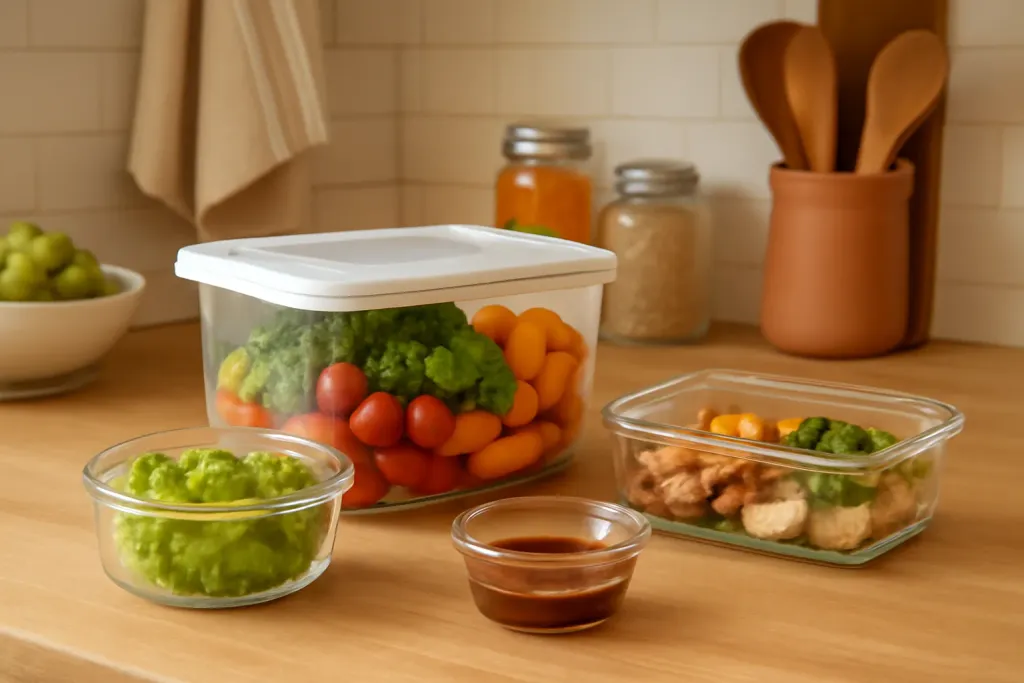
Learn practical storage habits that help reduce food waste storage, keep food visible, and make leftovers and produce easier to use.
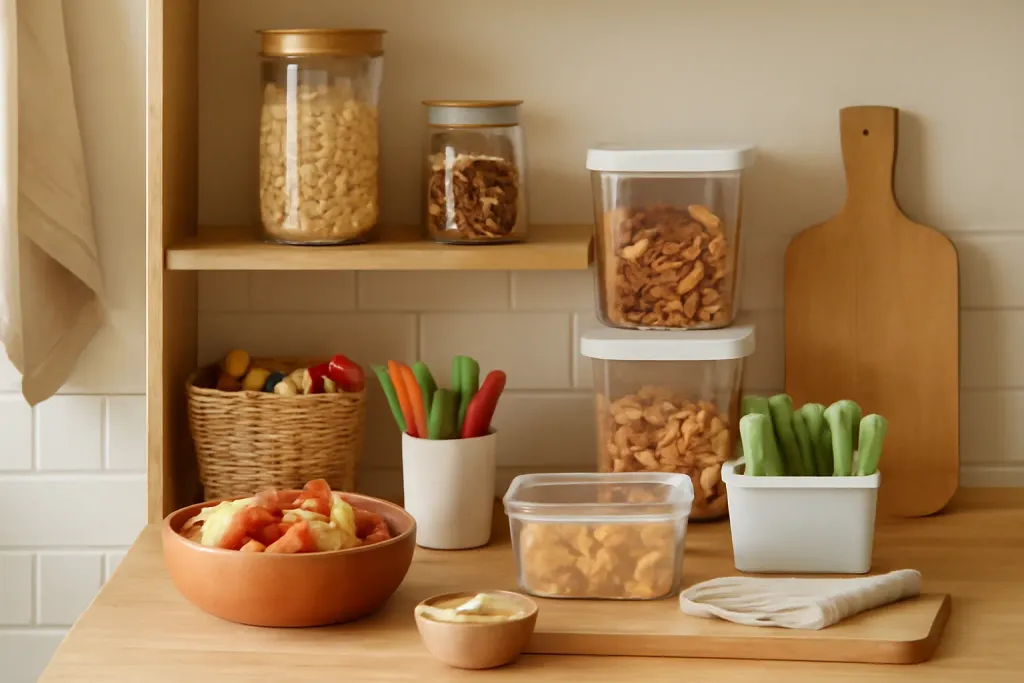
Learn how to set up a kids snack station kitchen with simple storage, kid-friendly tools, and easy organization for family routines.