Cookware
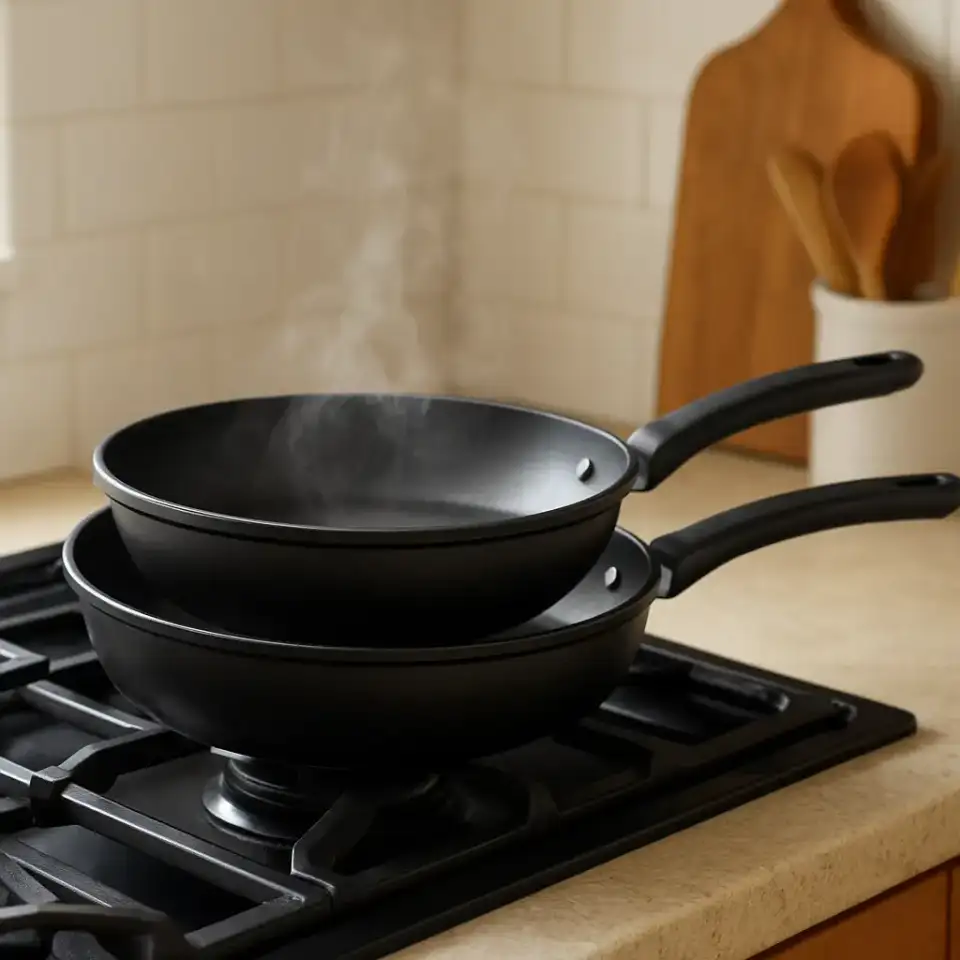
Nonstick Starter Frying Pan Set
A small set of nonstick frying pans in common sizes for everyday cooking and easy cleanup.
Chosen for size range and everyday nonstick usefulness.
Explore options on AmazonPots, pans & materials
Cookware is one of the biggest, longest-lasting purchases a home kitchen makes, and material is usually the decision that matters most. This hub explains the practical differences between common cookware materials and links to a dedicated comparison guide for the question we hear most often: nonstick or stainless steel.
Our featured picks refresh periodically. While we update them, our editorial guides can help you find the right one.
See our guidesA general cookware starting point for shoppers comparing materials before committing to a full set.
Cookware
A small set of nonstick frying pans in common sizes for everyday cooking and easy cleanup.
Chosen for size range and everyday nonstick usefulness.
Explore options on Amazon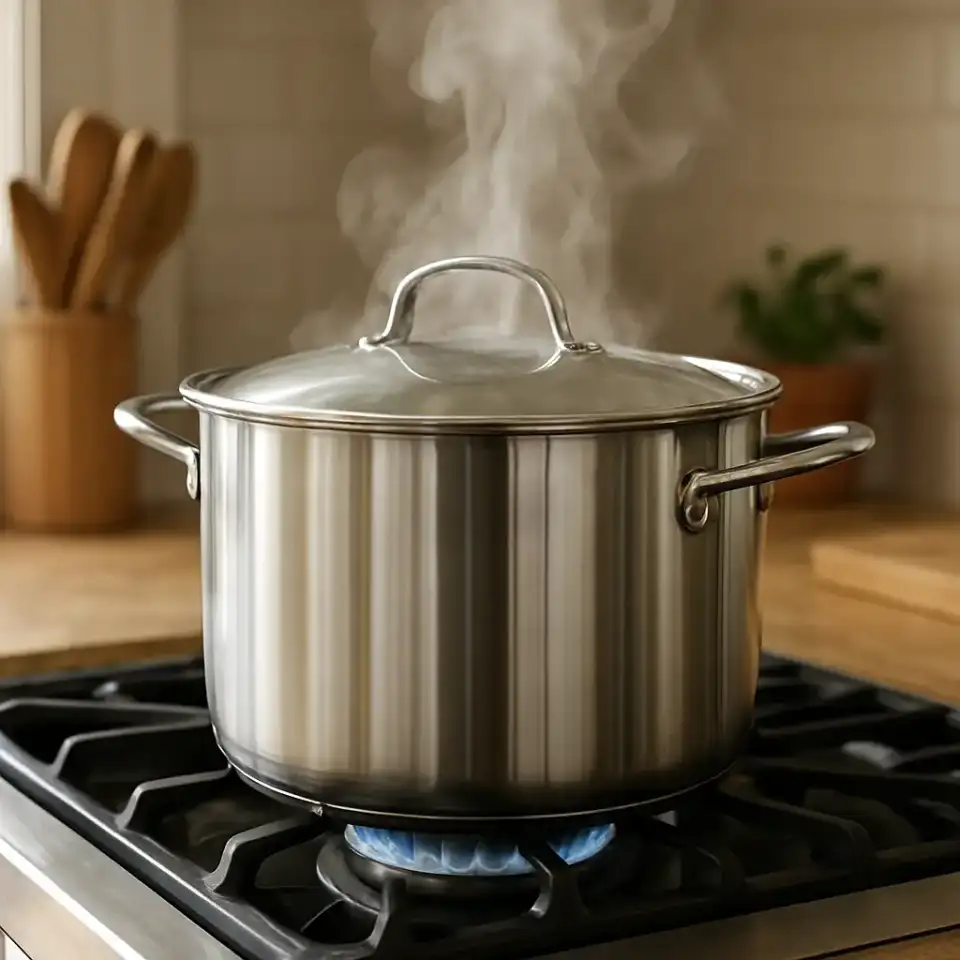
Cookware
A large stainless steel stockpot for soups, stocks, pasta, and batch cooking.
Chosen for capacity and durability for family-size batch cooking.
Explore options on Amazon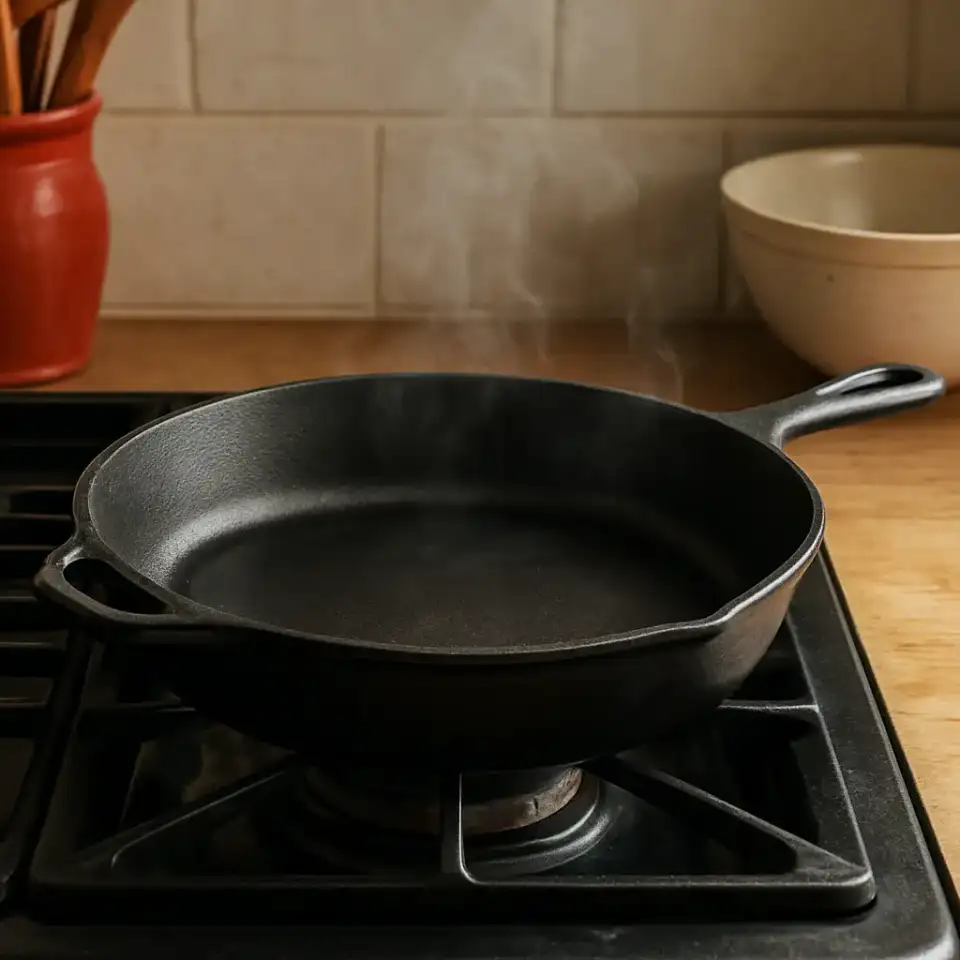
Cookware
A traditional cast-iron skillet for searing, stovetop-to-oven cooking, and long-term durability.
Chosen for versatility across stovetop and oven use.
Explore options on Amazon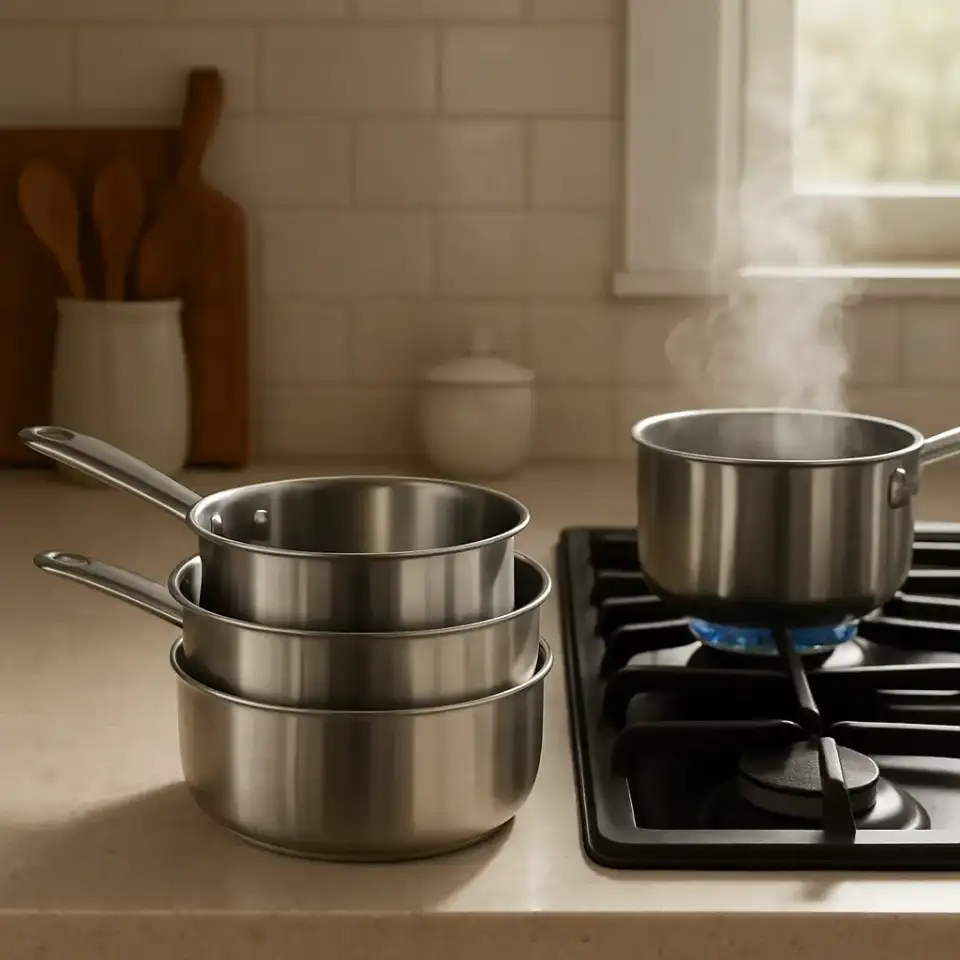
Cookware
A set of stainless steel saucepans in graduated sizes for sauces, grains, and reheating.
Chosen for size range covering common daily cooking tasks.
Explore options on AmazonWho this fits: Beginner cooks building a first cookware set, families replacing worn-out pans, and anyone deciding between nonstick, stainless steel, or a mixed set.
Nonstick makes everyday cooking and cleanup easier but wears out faster; stainless steel lasts longer and handles higher heat but has a steeper learning curve. See our dedicated comparison for the full breakdown.
Induction cooktops require magnetic cookware bases; check compatibility before buying, especially with lighter-weight nonstick pans.
A starter set covers common sizes at once, while buying pieces individually lets you skip sizes you won't use.
Some cookware needs hand-washing and gentle utensils to last; always follow the manufacturer's care instructions for the specific set you buy.
Our featured picks refresh periodically. While we update them, our editorial guides can help you find the right one.
See our guides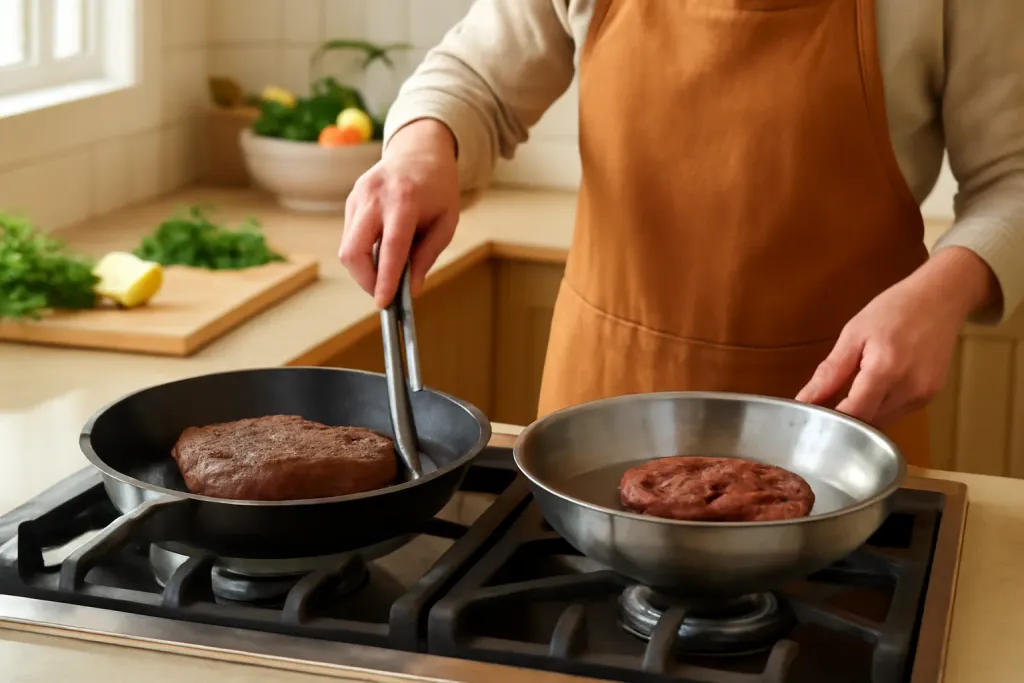
Compare cast iron vs stainless steel searing for heat, browning, cleanup, and everyday family cooking choices.
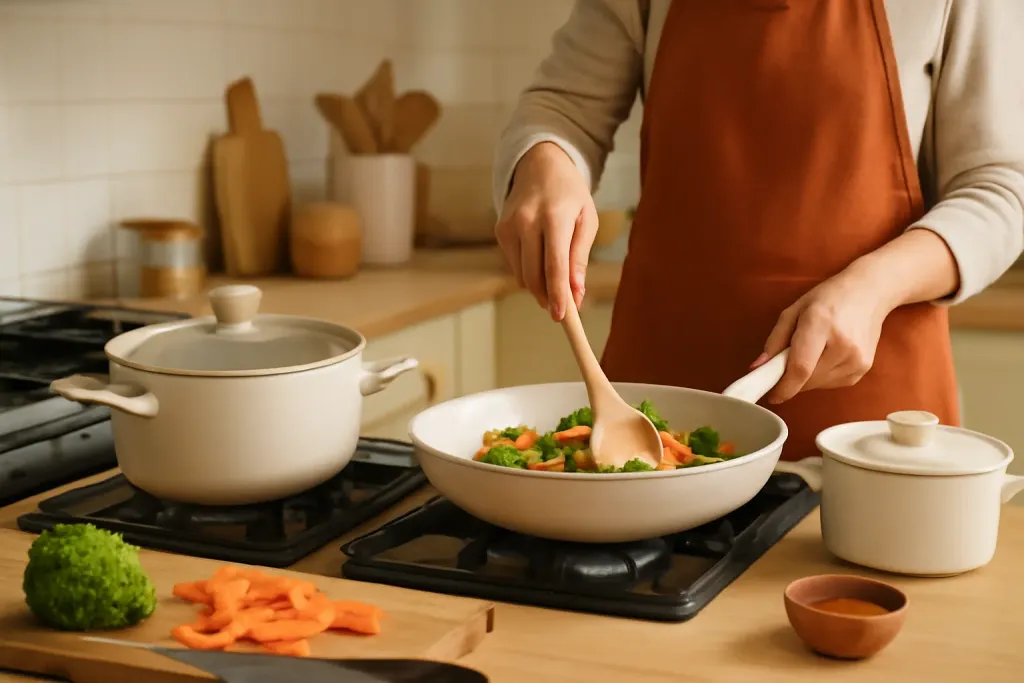
Ceramic cookware pros and cons explained for home cooks, with guidance on performance, durability, care, and when it makes sense.
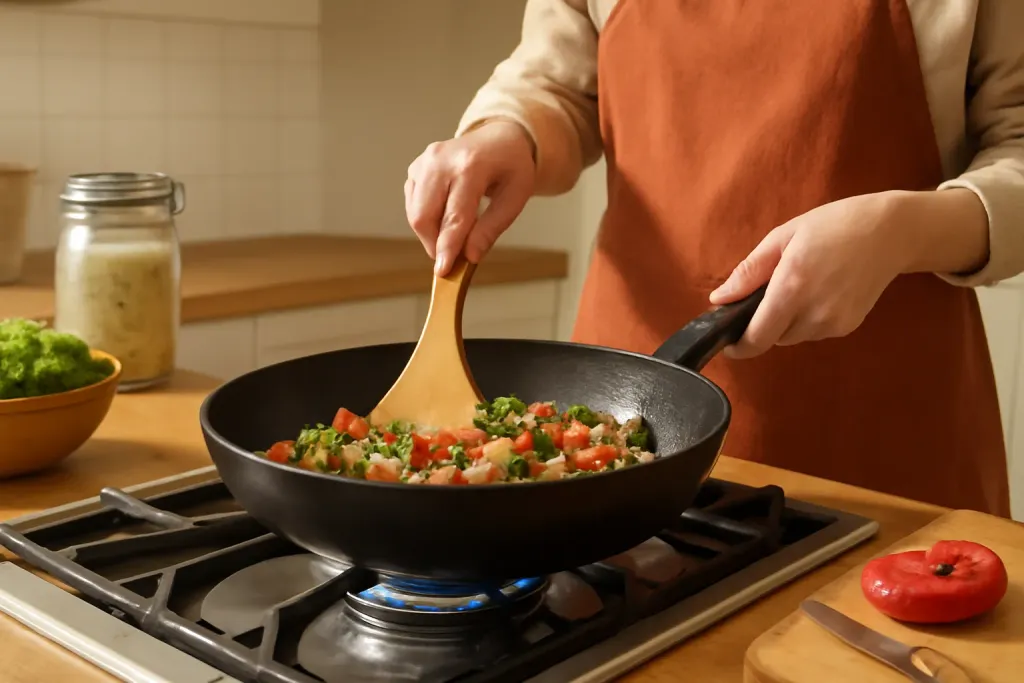
Learn how to prevent nonstick pans from wearing out with simple care habits, safe utensils, and smarter cooking routines.
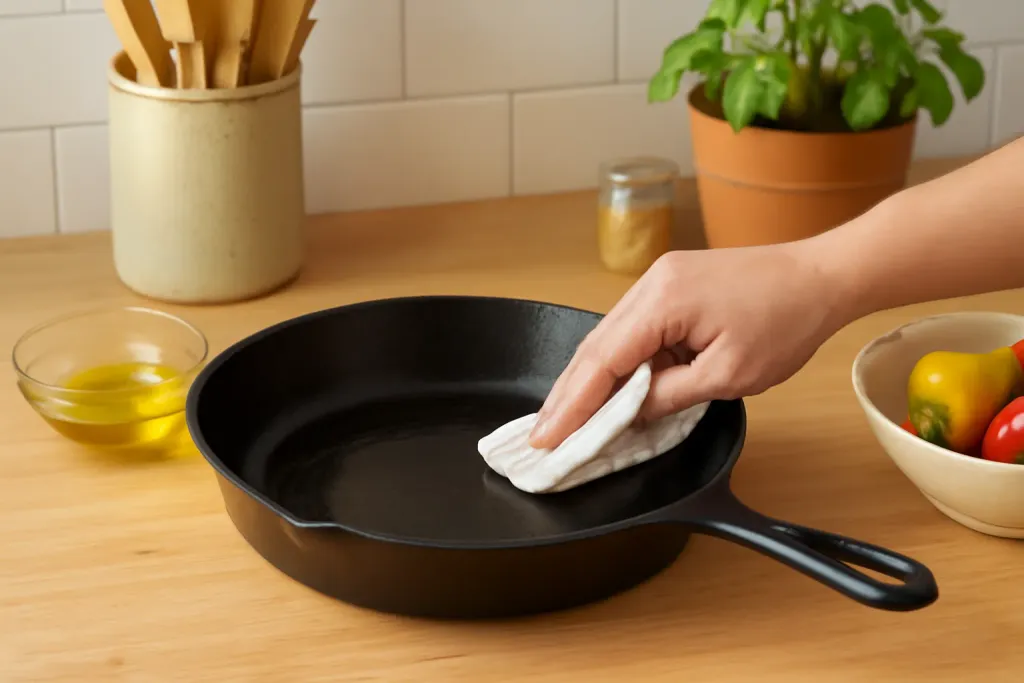
Learn how to season a cast iron pan with a simple step-by-step method for a smoother, more protective cooking surface.
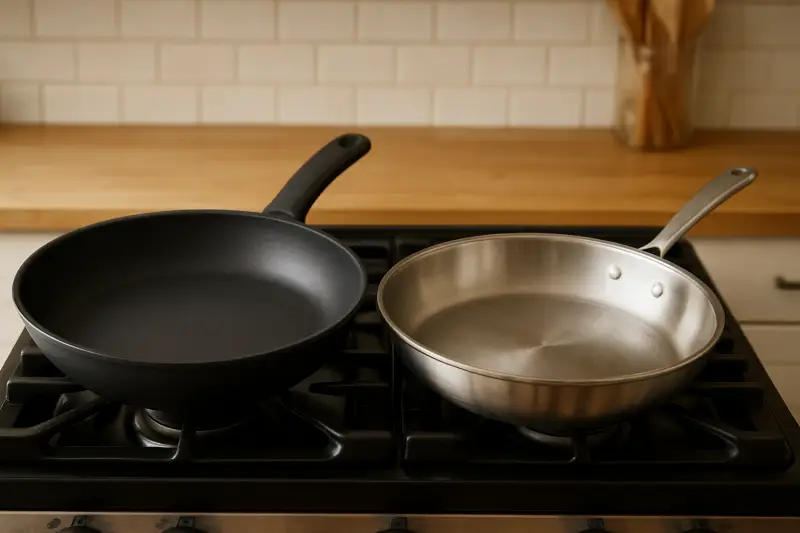
Nonstick vs stainless steel cookware compared honestly: cleanup, durability, heat handling, care, and which one fits your kitchen habits.