What Ovenproof Cookware Really Means
If you are comparing pans, pots, and baking dishes, the phrase ovenproof cookware guide should start with a simple question: what does ovenproof actually mean for this item? In general, ovenproof cookware is designed to handle the heat of an oven for at least some period of time without warping, melting, cracking, or damaging parts such as handles, lids, or coatings. That does not mean every part of the cookware is safe at the same temperature, and it does not mean every pan can move from stovetop to oven under every condition.
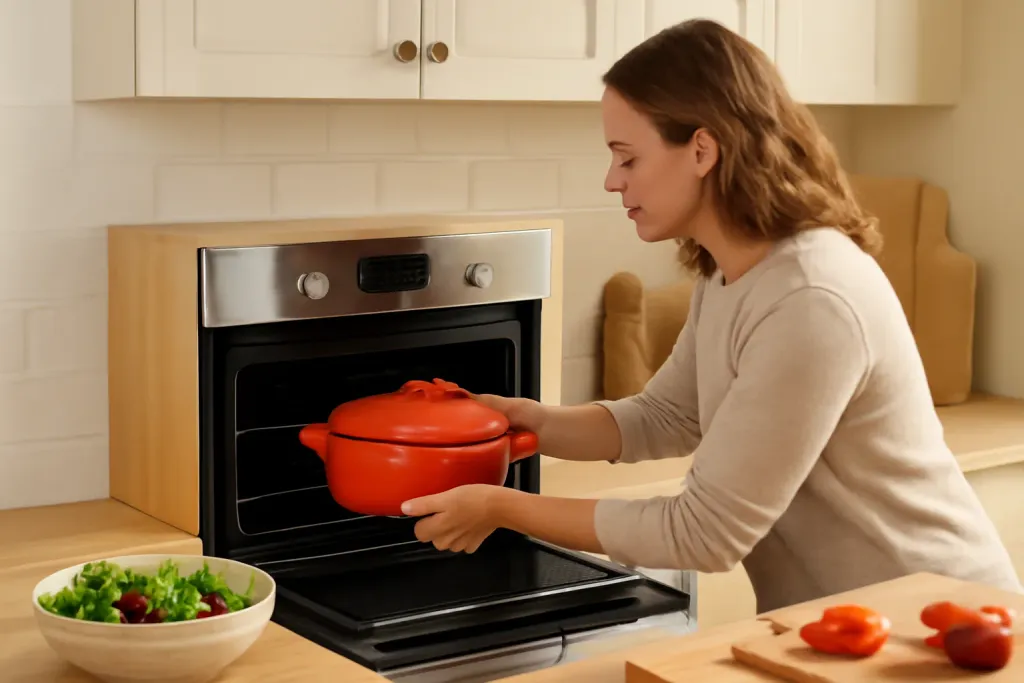
For family cooking, ovenproof cookware is often chosen for recipes that begin on the burner and finish in the oven, such as casseroles, skillet meals, braises, and baked pasta dishes. It can also be useful for roasting, reheating, and keeping food warm. The key is to read the product details closely rather than assuming that a familiar-looking pan will work in all cooking environments.
Manufacturers often list oven-safe or ovenproof limits in the product description or care instructions. Those limits may apply to the body only, or they may change if the cookware includes glass lids, silicone grips, plastic knobs, or nonstick coatings. Before buying, look for clear wording about the entire item, not just the pan shape itself. This is especially important if you want one piece to do several jobs in a busy kitchen.
Check the Material and Construction
The material is one of the most important things to review before adding a piece of oven-safe cookware to your cart. Common choices include stainless steel, cast iron, enameled cast iron, aluminum, hard-anodized aluminum, ceramic, stoneware, and some types of glass. Each material behaves differently in the oven, and each has tradeoffs that matter for everyday cooking.
Cast iron is often valued for even heat retention and durability, while enameled cast iron may offer easier cleanup and less maintenance than bare iron. Stainless steel is popular for stovetop-to-oven cooking because it is generally sturdy and versatile, though performance can vary based on how the pan is built. Multi-ply or layered construction can help improve heat distribution in some cookware, while thinner pieces may be more prone to hot spots or warping.
Nonstick cookware can be convenient for family meals, but oven use depends on the coating and the rest of the construction. Some nonstick pans are intended for moderate oven temperatures only, and some are not meant for high heat. Ceramic and stoneware can be useful for baking and serving, but they may be more delicate than metal cookware and may require careful handling to avoid thermal shock. When reading product pages, focus on whether the body material, coating, and any added parts are all suitable for your intended oven use.
Look for Oven Temperature Limits
One of the most practical checks in any ovenproof cookware guide is the temperature limit. A pan may be ovenproof, but only up to a certain temperature. That number matters because many home recipes call for a range of oven settings, and not every dish uses the same heat. If you plan to roast at higher temperatures or finish dishes under strong heat, choose cookware with a limit that fits those needs.
Temperature limits can be affected by more than the metal or ceramic body. Nonstick coatings, exterior finishes, adhesives, plastic handles, and silicone parts may lower the safe oven range. Some cookware is safe in the oven at a moderate temperature but should not go under a broiler. Others may be fine in a standard oven but not suitable for empty preheating. Because product wording varies, check for phrases like oven-safe temperature, maximum oven temperature, or broiler-safe only if that use matters to you.
If the product information is unclear, that is a sign to keep looking. It is better to choose cookware with a clearly stated limit than to rely on assumptions. For households that cook a wide variety of meals, a generous and clearly documented temperature range can make a big difference in flexibility.
Evaluate Handles, Knobs, and Lids
Many buyers focus on the pan body and forget the smaller parts that determine real oven usability. Handles, knobs, and lids can be the difference between a piece that works in the oven and one that cannot safely go there. A pan made of oven-safe metal may still be limited by plastic handles or a lid with non-oven-safe components.
Metal handles are often a good sign for oven use, but even then, shape and comfort matter. Handles should be easy to grip with oven mitts and should not place your hand too close to the body of the pan. Riveted handles may feel sturdy, while welded or integrated designs may be easier to clean. The most important point is not style but how the handle performs when the cookware is hot and full.
Lids deserve careful attention as well. Tempered glass lids may be useful for monitoring food, but they still come with temperature limits. Some lids can go in the oven only to a certain point, while others are not intended for broiling. Knobs can also vary, especially if they are plastic, wood, or soft-touch materials. If you want a truly versatile piece, check whether the lid and knob are ovenproof at the same level as the pan body. If not, you may need to remove the lid before baking.
Browse our recommended picks
Our featured picks refresh periodically. While we update them, our editorial guides can help you find the right one.
See our guidesMatch Size, Shape, and Capacity to Your Kitchen
Size may seem obvious, but it is one of the easiest things to overlook when shopping for ovenproof cookware. A pan can be technically oven-safe and still be a poor fit if it is too small for the dishes you make or too large for your oven rack and storage space. Before buying, think about how you actually cook for your household.
For families, a larger skillet, baking dish, or Dutch oven may seem appealing, but a larger piece can also be heavier and harder to move when full. If you frequently cook one-pan dinners, you may want a size that supports both stovetop browning and oven finishing without crowding the ingredients. For casseroles and baked pasta, a dish with enough depth matters because it helps prevent spills and allows room for bubbling sauces. For roasting vegetables or chicken, a wide surface can improve layout and reduce overcrowding.
Shape matters too. Straight sides, rounded corners, and wide surfaces all change how food cooks and how easy cleanup will be. Also think about whether the cookware fits into your oven with enough clearance for air circulation. A piece that is too tall may be awkward to handle, especially if you are sliding it in and out while wearing mitts. Choosing the right size and shape can make the cookware feel useful every week instead of only for special recipes.
Consider Cleanup and Care Requirements
Ovenproof cookware should fit your cooking style, but it should also fit your cleaning routine. Some materials are more forgiving than others, and the care instructions can affect long-term convenience. Before buying, check whether the cookware needs hand washing, seasoning, special drying, or gentle utensils. Those details are important if you want something practical for busy family meals.
Cast iron, for example, may need regular seasoning and careful drying. Enameled cookware may be easier to clean, but chips or cracks can change how it is cared for over time. Nonstick surfaces usually need softer tools and lower-heat use to help preserve the finish. Stainless steel can be durable, but food may stick more than with coated cookware if the heat is managed poorly. Ceramic and stoneware may clean up well, though they can be heavier and more vulnerable to sudden temperature changes.
Also check whether the cookware is dishwasher safe if that matters to you, but do not assume dishwasher-safe means ovenproof or vice versa. These are separate claims. A practical purchase is one that you can comfortably use, clean, and store without constant worry. For many households, that balance matters as much as oven performance itself.
Compare Compatibility With Your Stovetop and Oven
If your goal is to move a dish from stove to oven, compatibility needs to be checked in both directions. Some cookware is ovenproof but not suitable for every stovetop. Others may work on induction, gas, or electric burners but have limits in the oven due to handles or coatings. A good purchase is one that matches the appliances you already use.
For example, some cookware works well on gas and electric ranges but may need a magnetic base to function on induction. Others may be designed for stovetop cooking but are not intended for open flame or high direct heat. In the oven, the same piece may be limited by its knobs, coating, or lid. Product pages often list compatible heat sources, and that information should be read carefully rather than skimmed.
If you cook for a family, versatility can be helpful. One pan that can brown, simmer, bake, and serve may reduce cleanup and simplify weeknight meals. Still, it is better to buy for the tools you have now than for a setup you might not use. Keep the match between cookware and appliance in mind so you do not end up with a piece that seems flexible but does not fit your routine.
Use Warranty Details and Product Info to Decide
Before you choose, take a closer look at the product information as a whole. The best buying decisions usually come from reading beyond the headline features. Look for full care instructions, oven temperature limits, material notes, compatibility details, and any warranty language the manufacturer provides. These details do not make a pan better by themselves, but they can tell you how clearly the brand defines the product’s use.
A warranty is not a substitute for checking ovenproof claims, but it can show whether the maker stands behind construction and finish under normal use. More importantly, the warranty terms may explain exclusions that matter, such as damage from misuse, overheating, or improper care. If a product description is vague, that may be a sign to move on to one with better documentation.
When comparing options, try to judge the cookware on the needs of your kitchen rather than on marketing language. The most useful piece is the one that handles your typical recipes, fits your oven, matches your cleanup habits, and has clear instructions you can follow. That approach makes the purchase feel less like a gamble and more like a long-term kitchen choice.