Start With a Road Trip Lunch Plan
The easiest way to pack lunches for a road trip is to plan the food before you start packing the bags. A simple outline helps you avoid overbuying, keep meals balanced, and reduce the number of last-minute stops. Think about how long you will be on the road, when you expect to eat, and whether you will have access to a cooler, ice packs, or a place to restock along the way.
For family travel, it helps to map meals and snacks by time rather than by dish. For example, you might plan one lunch, two snack rounds, and a few backup items in case traffic runs long. This approach keeps everyone fed without forcing you to open every container at once. It also makes cleanup easier because you can pack each meal in a separate reusable container or paper bag.
When planning, choose foods that travel well and hold up at room temperature for a limited time or stay cold in a cooler. Sandwiches, wraps, fruit, cut vegetables, cheese, crackers, and trail mix are common road trip choices because they are easy to portion and eat with minimal mess. If you prefer warm food, pack it in insulated containers so it stays appealing until lunch.
A good plan also accounts for the realities of the road. Children may want smaller, more frequent snacks, while adults may prefer a fuller meal and a few simple extras. Build in flexibility so you can adjust portions without scrambling. The goal is not to create an elaborate menu; it is to make sure the food is organized, easy to reach, and ready when hunger hits.
Choose Foods That Travel Well
Road trip food works best when it is sturdy, compact, and easy to serve without a kitchen. The most reliable lunch and snack ideas are the ones that do not need much assembly after you leave home. That usually means avoiding ingredients that wilt quickly, spill easily, or require more than one hand to eat while on a break.
For lunches, consider sandwiches on bread that can stand up to filling without getting soggy. Wraps are another useful option because they are easy to hold and can be made ahead in a neat roll. Pasta salad, grain salad, or cold noodle dishes can also work if you keep them well chilled and pack utensils. If you want to keep lunch simple, a container with sliced turkey, cheese, crackers, and fruit can be just as practical as a full sandwich.
For snacks, aim for a mix of salty, sweet, and fresh items. Pretzels, nuts, dried fruit, apples, clementines, carrot sticks, snap peas, and whole-grain crackers are all useful because they do not require much preparation on the road. If your group likes variety, divide snacks into small containers so each person has an easy grab-and-go portion.
It is also smart to think in terms of texture and shape. Soft foods may need extra packaging so they do not get crushed, while delicate items like berries or chips may need rigid containers. If you are packing for multiple people, choose a few foods that can be reused across meals, such as sliced cucumbers or cheese cubes, so you do not overcomplicate the cooler.
Use the Right Containers and Gear
The containers you choose can make a big difference when you pack lunches for a road trip. Leak-resistant lunch boxes, lidded food containers, and insulated bags help keep food organized and reduce mess in the car. A well-packed cooler also makes it easier to separate lunches from snacks so you are not digging through everything every time someone wants an apple or a granola bar.
Look for containers that stack neatly and close securely. Square or rectangular containers often fit better in coolers than oddly shaped ones, and reusable silicone bags can be helpful for cut fruit, sandwiches, or snack mixes. If you are packing several people’s meals, label containers by name or meal time so everyone can find their portion quickly. Simple masking tape and a marker can do the job.
Insulated gear is especially useful if your trip includes perishable food. A soft-sided cooler can be convenient for a smaller family, while a larger hard-sided cooler may work better for longer drives or bigger groups. Ice packs help maintain a cold environment, and frozen water bottles can serve double duty by chilling the cooler and turning into a drink later. For warm food, insulated food jars or containers can help keep soups, stews, or leftovers ready to eat at lunch.
It also helps to pack a few supporting items: napkins, wipes, a small cutting board, a reusable utensil set, and trash bags. These basics make roadside lunches much easier to manage. If you are feeding kids, consider packing cups with lids or bottles with secure closures to reduce spills during breaks.
Build Balanced Lunches and Snacks
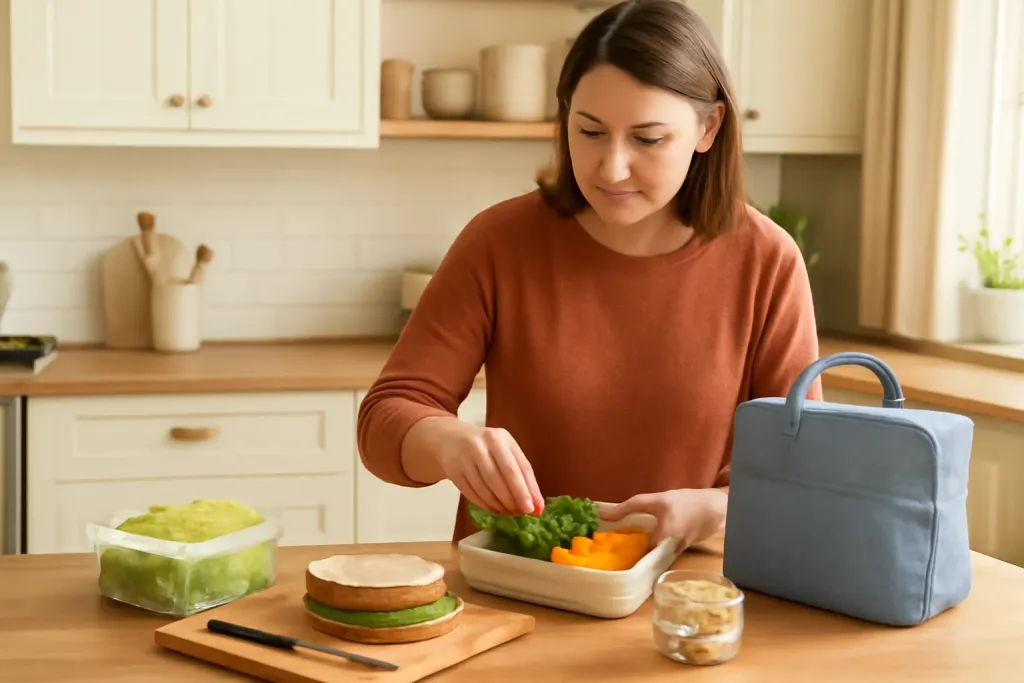
A road trip lunch does not need to be complicated to feel satisfying. A simple way to build it is to combine protein, produce, and a filling carbohydrate. That might mean a turkey wrap with grapes, or a hummus box with pita, carrots, and cucumbers. This kind of structure helps keep hunger in check while still allowing you to pack foods that are easy to eat in the car or at a picnic table.
Snacks should support the main meal rather than replace it entirely. A few well-chosen options can help passengers stay comfortable between stops. Pair a portable fruit with a crunchy item, such as apple slices with pretzels or cheese with whole-grain crackers. If you like sweeter snacks, combine them with something more substantial so they feel more like part of a meal and less like empty filler.
Portion size matters too. Large containers can be useful for sharing, but individual servings often work better on the road because they keep people from opening everything at once. For families, one container of cut fruit, one of crackers, and one of protein-rich items can cover several snack rounds without creating a huge amount of food waste. If you expect a long stretch between stops, add an extra backup item such as a granola bar or shelf-stable pouch.
The best lunches are the ones that match your route. If you know you will stop at a park, pack more pieces that are easy to assemble. If you will eat in the car, lean toward foods that do not need much cutting or rearranging. A little planning goes a long way toward making the trip feel calmer and more comfortable.
Browse our recommended picks
Our featured picks refresh periodically. While we update them, our editorial guides can help you find the right one.
See our guidesKeep Food Safe and Fresh on the Road
Keeping food fresh is one of the most important parts of packing lunches for a road trip. Cold foods should stay cold, and hot foods should stay hot, so the cooler or insulated container should be packed with that goal in mind. If you are bringing perishable items, load them with enough ice packs to help maintain temperature until you are ready to eat.
One helpful habit is to pack the cooler in layers. Put colder items near the ice packs, and keep foods you will use later deeper in the cooler. Try not to open the lid too often, since that lets the cold air escape. If you know which lunch or snack you will need first, place it near the top so you are not searching through the whole container.
Timing also matters. Pack the cooler shortly before leaving so chilled foods spend less time at room temperature. If you are making lunch the night before, keep it in the refrigerator until it is time to go. For road trips with longer driving days, consider pre-chilling the cooler and freezing items like water bottles or fruit packs so they help hold the temperature longer.
Even when you are traveling carefully, it is wise to pack a mix of foods. Shelf-stable snacks such as crackers, dried fruit, nut mixes, and shelf-stable pouches can help fill gaps if the cooler gets full or a stop runs longer than planned. Having both chilled and non-chilled options gives you more flexibility and makes the whole lunch plan less stressful.
Make Road Trip Packing Easier
The simplest road trip lunch setup is the one you can repeat. Once you find a format that works, use it again for future travel. A reusable system saves time: one cooler for cold items, one tote for shelf-stable snacks, and a small pouch for napkins, utensils, and wipes. When everything has a place, departure day feels much more manageable.
Batch prep can also help. Wash fruit, cut vegetables, portion trail mix, and assemble sandwiches or wraps the evening before you leave. If you prefer to do less on the day of travel, pack ingredients separately and let each person build a meal at the first stop. Both methods can work; the best choice depends on how much prep time you want to do in advance.
Think about cleanup as part of packing. Extra zip-top bags or a small reusable trash container can keep wrappers and napkins from piling up in the car. A compact cooler basket or bin can hold items that need to be kept upright, such as yogurt cups, dips, or drink bottles. These small organizing tools do not need to be fancy to be useful.
Finally, keep a short road trip food checklist. Include lunch items, snacks, utensils, napkins, ice packs, and a backup bottle of water. A checklist makes it easier to pack lunches for a road trip without forgetting the basics. The more predictable your system becomes, the easier it is to leave home confident that everyone will have something good to eat.
Easy Food Ideas to Pack
If you want a starting point, these road trip foods are easy to assemble and pack:
- Turkey, chicken, or cheese sandwiches
- Wraps with hummus, vegetables, or sliced protein
- Cold pasta salad or grain salad
- Apple slices, grapes, berries, or clementines
- Carrot sticks, cucumbers, snap peas, or bell pepper strips
- Pretzels, crackers, popcorn, or rice cakes
- Trail mix, nuts, or dried fruit
- Granola bars or simple snack bars
- Yogurt cups or cheese sticks kept in a cooler
- Water bottles or other drinks packed securely upright
These ideas work because they are flexible. You can mix and match them for different ages, appetites, and travel lengths. A lunch box with a sandwich, fruit, and crunchy snack usually feels more satisfying than a random assortment of items, but both can be practical if they are packed neatly and easy to reach.
When in doubt, choose foods that are familiar, simple, and easy to portion. Road trip meals do not need to be fancy to be useful. A reliable mix of cooler items and shelf-stable snacks can keep everyone comfortable and make the drive feel smoother from the first mile to the last.