Why Kitchen Safety Basics Matter
Kitchen safety basics for beginners are not about turning home cooking into a strict rulebook. They are about building simple habits that help you move through the kitchen with more confidence, less stress, and fewer avoidable accidents. A beginner cook often has to juggle heat, sharp tools, slippery surfaces, and a busy workspace all at once, which makes small mistakes more likely.
Good safety habits also make cooking smoother. When your counter is clear, your tools are where you expect them to be, and you understand how to handle hot pans or sharp knives, you can focus more on the food and less on avoiding trouble. That matters for family meals, weeknight dinners, and any time you are learning in a kitchen that may already be crowded with people, dishes, or appliances.
For an independent home-cooking audience, the goal is practical prevention. Safe habits do not require special gear or a perfect kitchen. They start with awareness, preparation, and a few consistent routines that are easy to repeat every day.
Set Up a Safe Workspace Before You Start
One of the most useful kitchen safety basics for beginners is preparing the workspace before the cooking starts. A clean counter gives you room to place ingredients, cutting boards, and hot items without crowding. If the work area is cluttered, the chance of bumps, spills, or cuts rises quickly.
Begin by washing hands, clearing away unnecessary items, and checking that you have a dry towel or oven mitt nearby. Keep the floor free of bags, stools, pet bowls, and anything else that could cause a trip. If you are cooking with children or around others, it helps to set clear zones so hot pans, knives, and raw ingredients stay in controlled areas.
Lighting matters too. A well-lit prep area makes it easier to see what you are doing, especially when slicing vegetables or checking the condition of food. Good ventilation is helpful when using the stove or oven, and it can make the whole kitchen more comfortable.
It is also smart to gather ingredients and tools before turning on the heat. This habit, often called mise en place, is useful even for simple recipes because it reduces the need to reach, rush, or search while something is cooking. The less scrambling you do, the safer the kitchen becomes.
Knife Safety for Beginners
Knife safety is one of the most important parts of kitchen safety basics for beginners because cutting is a task where small mistakes can have immediate consequences. The first habit to learn is keeping the blade sharp enough for the job. A dull knife can slip or require extra pressure, which may be less controlled than a properly maintained one.
Use a stable cutting board that does not slide around. If needed, place a damp towel under the board to help hold it in place. Keep your fingers tucked away from the blade with a curled hand position, and move slowly until the motion feels natural. There is no need to rush through chopping, especially when you are still learning.
Always cut on a flat, steady surface and keep the knife pointed away from your body whenever possible. Do not try to catch a falling knife. Step back and let it land safely instead. When carrying a knife, hold it down at your side with the blade pointed away from others, and never leave it buried in soapy water where it cannot be seen.
After use, wash and dry knives carefully before putting them away. Loose knives tossed into a drawer can be risky when you reach for them later. A knife block, magnetic strip, sheath, or dedicated organizer can help reduce that risk in a home kitchen.
Heat, Stove, and Oven Safety
Heat is one of the biggest sources of kitchen accidents, so beginners should build habits around burners, ovens, pans, and steam. Before turning on a stove burner, check that pan handles are turned inward or to the side where they will not be easily knocked over. This is a simple step, but it helps prevent spills and burns.
Use oven mitts or heat-resistant gloves when handling hot cookware, trays, or racks. Dry cloths can catch heat quickly or slip if they are damp, so it is better to use tools made for the task. Open lids and oven doors carefully, directing steam away from your face and hands.
When food is frying, simmering, or boiling, keep your attention on the pot or pan. Short distractions can become problems if liquid boils over or oil sputters. If you need to step away, turn the heat off first or ask another adult to watch it. Never leave an active burner unattended for long periods.
It is also helpful to know which items in your kitchen can get hot even when they do not look dangerous at first. Baking sheets, glass dishes, cast-iron handles, and pot lids may all hold heat longer than expected. Building a habit of assuming hot until proven otherwise can prevent a lot of accidental contact.
Browse our recommended picks
Our featured picks refresh periodically. While we update them, our editorial guides can help you find the right one.
See our guidesFood-Handling and Cross-Contamination Basics
Good kitchen safety also includes keeping work areas organized so raw ingredients do not contact ready-to-eat foods. A beginner does not need to memorize every food handling rule to be safer in the kitchen, but basic separation goes a long way. Use one board or area for raw ingredients when possible and another for produce, bread, or cooked food.
Wash hands after touching raw meat, poultry, seafood, eggs, or dirty kitchen surfaces. Also wash hands after handling trash, cleaning cloths, or pet items. This habit is simple but essential because hands move constantly between ingredients, tools, and surfaces.
Use clean utensils for tasting, stirring, and serving. If a spoon has touched raw ingredients, do not put it back into a sauce or finished dish without washing it first. Keep dish towels and sponges in mind as well, since they can move moisture and residue from one area to another if used carelessly.
Store groceries promptly and return items to the refrigerator, pantry, or freezer as soon as practical. Labeling leftovers and keeping containers sealed can help keep the kitchen orderly. Good organization supports safety because it reduces confusion and limits accidental mixing of foods and utensils.
Fire, Electricity, and Small Appliance Safety
Many beginner cooks rely on a toaster, blender, microwave, rice cooker, or electric kettle, so appliance safety belongs in any guide to kitchen safety basics for beginners. Start by reading the basic instructions for each appliance you use, especially around power cords, lids, and parts that should not be submerged in water. Even simple appliances work better when they are handled as intended.
Keep cords away from hot burners and from the edge of the counter where they can be pulled. Do not overload outlets with too many high-draw appliances at once if your setup is already strained. If a cord looks worn, frayed, or damaged, stop using the appliance until it is repaired or replaced by the appropriate means.
For microwave use, cover foods carefully to reduce splatter and use containers meant for that purpose. When removing items, be aware that steam can build up quickly in covered dishes. For blenders and food processors, make sure the lid is secure before starting and wait until blades stop completely before opening the container.
If you ever smell burning, see smoke, or notice an appliance acting strangely, shut it off if it is safe to do so and unplug it if the plug is accessible without approaching a hazard. A small pause and a careful response are better than trying to push through a problem.
Cleanup, Storage, and Prevention Habits
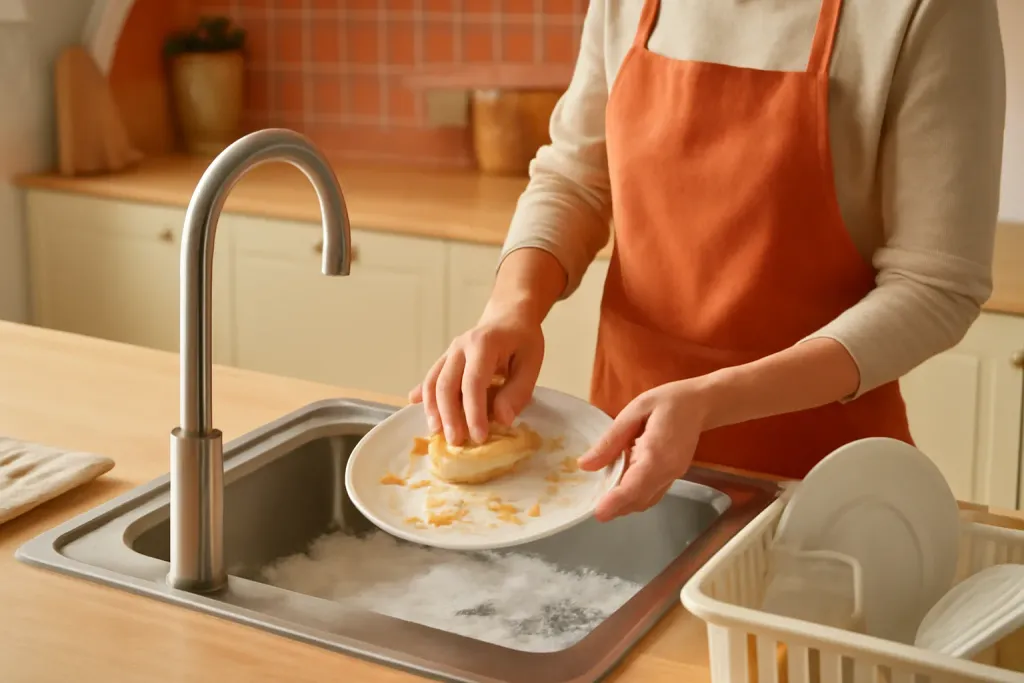
Safety does not end when the cooking is done. In many homes, the cleanup phase is when slips, cuts, and minor burns still happen, especially if the kitchen is crowded or rushed. Let hot pans cool when possible before washing them, and keep handles turned away while they are resting on the counter or stovetop.
Spills should be cleaned promptly so nobody steps on them or slides across a wet floor. Keep a towel, sponge, or mop ready for quick cleanup, and be especially careful with oil or grease, which can make surfaces more slippery than plain water. If broken glass or a cracked dish is involved, sweep carefully and do not use bare hands to gather the pieces.
Store sharp tools in a way that keeps them from shifting around in drawers. Keep heavy items in lower cabinets if you can, especially if children are in the home or if you want to avoid lifting hazards. Put frequently used items within easy reach so you are not stretching over hot surfaces or digging through clutter.
Finally, make safety a routine rather than a special event. The more often you clear the counter, dry your hands, check handles, and put tools away properly, the more natural those actions become. That consistency is what turns basic safety into a normal part of everyday cooking.
Kid-Friendly and Family Kitchen Safety
Many beginner cooks are cooking for a family, which means kitchen safety has to work in a shared space. Children can help in age-appropriate ways, but the setup should match their ability to stay away from heat, sharp tools, and unstable surfaces. Simple tasks like washing produce, stirring cold ingredients, or setting the table can keep them involved without creating extra risk.
If children are nearby, define boundaries around the stove, oven, and knife area. Explain where they should stand and what they should not touch. A visual routine can help, such as always keeping handles turned in, always asking before reaching for tools, and always stepping back when someone opens the oven.
Adults should also watch for common family-kitchen distractions. Talking, answering messages, helping with homework, and checking on another room can all break concentration at the wrong moment. A good safety habit is to pause or lower the heat before leaving the cooking area, even briefly.
For families, the best kitchen safety basics for beginners are the ones everyone can follow. When the rules are simple, consistent, and easy to explain, the kitchen becomes a more manageable place for both learning and daily meals.