Start With a Simple Weekly Plan
If your goal is how to meal prep for a week in about two hours, the first step is not cooking. It is deciding what you will actually eat. A good plan keeps the process moving and prevents the common mistake of preparing too many different dishes.
Choose a small set of meals that can repeat through the week without feeling boring. For most families, that means one breakfast option, one or two lunch options, and two dinner formats that share ingredients. Think bowls, wraps, pasta bakes, roasted chicken plates, or chili served with a side. The fewer unique recipes you make, the faster prep will go.
Build around ingredients that can work in more than one meal. Cooked rice can become grain bowls one day and a side dish the next. Roasted vegetables can go into lunches, dinners, and omelets. A large batch of protein can be portioned in different ways so the same prep feels new across several days.
It also helps to write down your schedule before you shop. If some nights are busier than others, place the easiest meals on those days. A practical prep plan should support real family life, not just a perfect spreadsheet.
Shop With Reuse in Mind
Once the menu is set, make a grocery list that groups items by function instead of by recipe. That approach keeps shopping faster and helps you notice overlap. For example, onions, peppers, and greens may serve multiple meals, so buying them once can stretch across the week.
When time is limited, use ingredients that reduce prep work. Bagged greens, pre-cut vegetables, rotisserie chicken, canned beans, quick-cooking grains, and frozen vegetables can all help shorten the kitchen session. These are not shortcuts in the negative sense; they are practical tools for getting a week of food ready in a manageable window.
If you are building the prep around appliances, choose items that support batch cooking. Sheet pans, a large sauté pan, a rice cooker, slow cooker, or pressure cooker can simplify the process. You do not need every tool, but having one or two reliable helpers can make a noticeable difference when the clock is tight.
Keep the list realistic. A week of meal prep should use ingredients your household already likes and will eat. It is better to repeat a few dependable flavors than to create variety that ends up untouched in the fridge.
Set Up the Kitchen Before You Cook
The fastest meal prep sessions start with a clear workspace. Before any heat goes on, empty the dishwasher, clear the counters, and gather containers. Put cutting boards, knives, measuring tools, sheet pans, and mixing bowls within reach. This kind of setup saves time because it reduces the stop-and-start rhythm that slows many home cooks.
Then organize your ingredients in the order you will use them. Wash produce, open cans, and portion pantry items so they are ready to go. If you are cooking several components at once, label containers before you start. Small preparations like these may seem minor, but they keep the whole session from feeling chaotic.
Good kitchen equipment can help here. Stackable storage containers, sheet pans, a large pot, and a dependable knife set make batch prep easier to manage. For families who meal prep often, a food scale or digital kitchen timer may also make portioning and scheduling simpler, though neither is required.
The goal is not a perfectly styled kitchen. The goal is a setup that lets you move quickly from one task to the next. When everything has a place, two hours is much more realistic.
Cook in Batches and Overlap Tasks
To keep meal prep under about two hours, think in batches. Start the longest-cooking items first, then move to quicker jobs while they finish. For example, you might get a grain simmering, a tray of vegetables roasting, and protein cooking on the stovetop or in the oven at the same time. This layered approach is the backbone of efficient meal prep.
Choose cooking methods that are easy to repeat. Roasting, sautéing, boiling, and baking are all useful because they handle larger portions without demanding constant attention. If you are preparing chicken, tofu, turkey, or beans, season them in a way that pairs with several meals. A neutral base can later be changed with sauces, fresh herbs, or simple condiments.
While one item cooks, use the waiting time for another. Chop salad vegetables while rice cooks. Mix a sauce while a sheet pan is in the oven. Drain pasta while roasted vegetables rest. The purpose is to keep every minute active enough that the full session feels shorter than it looks on paper.
Do not overcomplicate the menu with separate recipes that each require special treatment. One base, one vegetable, and one protein can become many meals when portioned well. That is often the most practical answer to how to meal prep for a week without spending all afternoon in the kitchen.
Browse our recommended picks
Our featured picks refresh periodically. While we update them, our editorial guides can help you find the right one.
See our guidesAssemble Meals That Use the Same Components
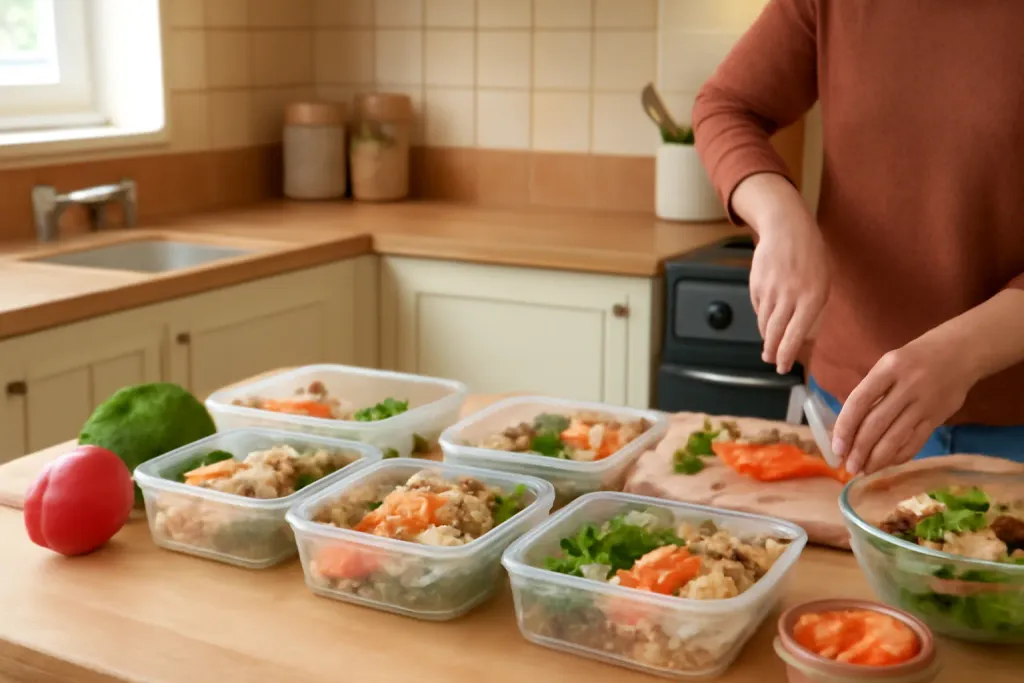
After the cooking is done, the assembly stage should move quickly. Lay out your containers and portion the ingredients in the same general order each time. A balanced meal prep box often includes a protein, a starch or grain, and a vegetable. From there, you can vary sauces or add-ons to keep meals from feeling identical.
For example, a batch of rice, roasted broccoli, and cooked chicken can become a lunch bowl with one sauce, then a dinner plate with a different side, then a wrap filling later in the week. You are not making seven separate dinners; you are making one set of building blocks that can be recombined.
Breakfast can follow the same logic. Overnight oats, egg muffins, yogurt parfait ingredients, or breakfast burritos can be prepared in batches and portioned ahead. The point is to reduce decision fatigue on busy mornings while still offering enough flexibility for the week.
If you prefer family-style prep instead of fully portioned containers, that can work too. Store ingredients in separate containers so each meal can be assembled at serving time. This is often helpful when people in the household want slightly different portions or toppings.
Store Food for Easy Access
Meal prep only helps if the food is easy to find and easy to use. Store the most urgent items at eye level in the fridge and keep the earliest meals where they will be seen first. Place sauces, dressings, and toppings in smaller containers so they are simple to grab during the week.
Clear containers can make planning easier because you can see what is already prepped without opening every lid. That visibility helps reduce waste and makes it more likely that the food gets used on time. If your household is large, consider setting aside one shelf or bin specifically for prepped meals so no one has to search for them.
Keep written labels if that helps your system. A simple note with the meal name and prep date is often enough. You do not need a complicated tracking method; you just need a system that makes sense to the people who will be eating the food.
For freezer-friendly meals, use containers that fit your portions well and leave a little room for expansion if the dish needs it. Casseroles, soups, and sauces often freeze well in family meal plans, while delicate greens and crisp toppings are better added fresh later. Planning for that difference makes the whole week feel smoother.
Make the Two-Hour Window Realistic
Two hours is ambitious, so it helps to protect that window with a realistic plan. Limit the number of recipes, use overlapping ingredients, and choose a mix of fresh and convenient items. If everything needs special chopping, long marinating, or multiple finishing steps, the prep will drift past your target.
A workable structure is simple: spend the first 15 minutes planning and setting up, 20 minutes on washing and chopping, 40 to 50 minutes on cooking the main components, and the rest on cooling, portioning, and storing. That timeline is flexible, but it shows why organization matters more than complexity.
Family cooks may also want to prep one or two backup items for flexibility. A bag of salad greens, fruit, hummus, crackers, or a loaf of bread can help round out meals without adding much work. Having a few no-cook supports can make the week feel easier even when the main prep is already done.
The biggest time-saver is consistency. Once you find a system that works, repeat it. A familiar prep routine is easier to execute than inventing a new plan every Sunday. Over time, that repeatability is what makes meal prep feel less like a chore and more like a practical household habit.
A Simple One-Session Game Plan
If you want a straightforward model for how to meal prep for a week in about two hours, start with a basic one-session plan. Pick one protein, one grain, two vegetables, and one sauce. Add a breakfast option if your mornings are the hardest part of the week. That is enough to create several combinations without turning the kitchen into a full production line.
Here is the rhythm to follow: preheat the oven, start the grain, prep the vegetables, begin the protein, and then assemble containers as each component finishes. While items cook, wash the dishes you no longer need so cleanup does not pile up at the end. A cleaner workspace can make the session feel more manageable from start to finish.
The best meal prep systems are not flashy. They are the ones your family can repeat. If you keep the menu simple, use equipment that speeds up batch cooking, and store everything in a way that is easy to access, a week of meals can come together in a practical amount of time.